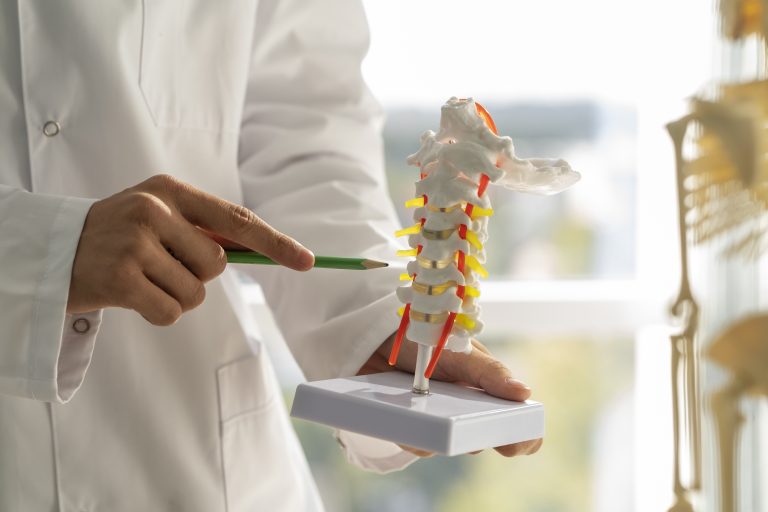

If you are considering chiropractic treatment for back pain, neck pain, sciatica, or another musculoskeletal problem, one of your first questions may be: How long does it take to see results from chiropractic care?
There is no single timeline that applies to everyone. Some people notice changes relatively quickly, while others need a longer course of care before they experience meaningful improvement. Your recovery time can depend on the cause of your symptoms, how long you have had them, your overall health, your activity level, and the treatment plan recommended after your evaluation.
At Spinal Recovery and Joint Center in Warren, Michigan, our team evaluates each patient individually and develops a treatment plan based on their symptoms, condition, mobility, and recovery goals.
How Long Does Chiropractic Care Take to Work?
For some patients with relatively recent or uncomplicated musculoskeletal pain, improvement may begin within the first several visits. Chronic or more complex conditions can require a longer treatment period.
Instead of focusing on a fixed number of visits, it is more useful to look for measurable changes such as:
- Reduced pain or stiffness
- Improved range of motion
- Easier walking, sitting, standing, or bending
- Better ability to perform everyday activities
- Fewer or less intense pain flare-ups
- Improved function between appointments
Your provider can monitor these changes and adjust your care plan based on how you respond.
What Determines How Quickly Chiropractic Care Works?
Several factors can influence how quickly you may notice improvement.
1. The Cause of Your Pain
A recent muscle or joint problem may respond differently from pain caused by a long-standing spinal condition.
For example, symptoms associated with a herniated disc, sciatica, spinal stenosis, or chronic back pain may require a more comprehensive treatment approach than temporary muscle stiffness.
Determining what is causing the symptoms is therefore an important first step.
2. How Long You Have Had the Condition
Acute pain that developed recently is different from a condition that has been present for months or years.
Long-standing pain can be associated with changes in mobility, muscle strength, posture, and movement patterns. Addressing these factors may require more time than treating a recent problem.
3. Severity of Your Symptoms
Two patients with the same diagnosis can have very different symptoms.
One person may experience mild stiffness, while another may have significant pain, numbness, tingling, weakness, or difficulty performing normal activities.
The severity and complexity of your symptoms can affect the recommended treatment plan and recovery timeline.
4. Your Treatment Plan
Chiropractic care may be only one component of treatment.
At Spinal Recovery and Joint Center, care may incorporate different approaches depending on the patient’s condition, including chiropractic care, physical rehabilitation, pain management, and other non-surgical treatments. Spinal Recovery and Joint Center
For certain disc-related conditions, the team may also determine whether spinal decompression therapy is appropriate.
5. Your Daily Habits
What you do outside the clinic can also affect your progress.
Your provider may recommend changes involving:
- Posture
- Workplace ergonomics
- Exercise and movement
- Stretching
- Lifting technique
- Activity modification
Following your individualized recommendations can support the overall treatment plan.
How Many Chiropractic Sessions Will I Need?
There is no universal number of chiropractic visits that works for every patient.
The appropriate frequency depends on your diagnosis, symptoms, response to treatment, and treatment goals. Your provider may recommend more frequent visits during one stage of care and adjust the schedule as your condition changes.
This is why an evaluation is important before deciding how many chiropractic sessions you may need.
Rather than assuming that everyone needs the same number of appointments, your progress should be periodically reassessed.
Can You Feel Better After One Chiropractic Adjustment?
Some patients may notice changes after an initial visit or adjustment, but this does not necessarily mean the underlying problem has been resolved.
Pain can fluctuate, and short-term symptom improvement is different from restoring mobility and function or managing a chronic condition.
For this reason, your response over time is generally more informative than how you feel immediately after one appointment.
Why Some Conditions May Take Longer
Certain spinal and nerve-related conditions can require a longer or more comprehensive approach.
Sciatica
Sciatica describes symptoms involving irritation or compression of the sciatic nerve. Pain may travel from the lower back or buttock into the leg and can sometimes occur with tingling, numbness, or weakness.
Because sciatica can have several underlying causes, treatment time depends partly on identifying what is irritating the nerve.
Learn more about what causes sciatica and how it can be treated.
Herniated or Bulging Discs
Disc problems can irritate or place pressure on nearby nerves and may contribute to back pain, neck pain, sciatica, numbness, or weakness.
Depending on the individual case, treatment may involve multiple non-surgical approaches.
Learn more about how spinal decompression may help with herniated discs.
Chronic Back or Neck Pain
Pain that has persisted for months or years may involve several contributing factors rather than a single problem.
A comprehensive evaluation can help determine which treatments are appropriate and establish realistic goals for improving function and managing symptoms.
Chiropractic Care vs. Spinal Decompression
Chiropractic care and spinal decompression are not exactly the same treatment.
Chiropractic treatment can involve techniques designed to improve joint and spinal function, while non-surgical spinal decompression uses controlled traction to reduce pressure on certain spinal structures.
Spinal Recovery and Joint Center uses the Triton DTS spinal rehabilitation system for spinal decompression. Spinal Recovery and Joint Center
You can read more in our guide: What Is Spinal Decompression and How Does It Work?.
Your provider can determine whether chiropractic care, spinal decompression, rehabilitation, another treatment, or a combination of approaches is appropriate for your condition.
When Should You See a Chiropractor for Back or Neck Pain?
Consider seeking an evaluation when pain:
- Persists or repeatedly returns
- Interferes with work, sleep, exercise, or normal activities
- Limits your range of motion
- Travels into an arm or leg
- Is accompanied by recurring numbness or tingling
- Has not improved with basic self-care
Some symptoms require more urgent medical evaluation. Seek prompt medical attention for symptoms such as significant or worsening weakness, loss of bowel or bladder control, numbness around the groin or saddle area, severe pain following significant trauma, or other sudden neurological changes.
How Do You Know if Chiropractic Treatment Is Working?
Pain level is only one way to measure progress.
Depending on your condition, improvement may also mean:
- Greater range of motion
- Improved strength or stability
- Walking or standing more comfortably
- Sitting for longer periods with fewer symptoms
- Returning to work or recreational activities
- Sleeping more comfortably
- Experiencing fewer flare-ups
These functional changes can help your provider determine whether your current treatment plan should continue or be modified.
Chiropractic Care in Warren, Michigan
Spinal Recovery and Joint Center provides chiropractic care and multidisciplinary treatment for patients dealing with spinal, joint, muscular, and nerve-related pain.
The practice is located at 2243 East 12 Mile Road, Warren, MI 48092, and its team includes providers working across chiropractic care, physical therapy, spinal rehabilitation, and pain management. Spinal Recovery and Joint Center
Patients from Warren and surrounding Metro Detroit communities can schedule an evaluation to determine what may be causing their symptoms and which treatment options may be appropriate.
Frequently Asked Questions
How long does it usually take for chiropractic care to work?
There is no universal timeline. Some patients notice improvement relatively early in treatment, while chronic or complex conditions may require a longer period of care. Your diagnosis, symptom severity, overall health, and response to treatment all influence the timeline.
How many chiropractic sessions do you need for back pain?
The number of visits varies by patient and by the cause of the back pain. An evaluation is needed before an appropriate treatment schedule can be recommended.
Can chiropractic care help with sciatica?
Chiropractic care may be included in a treatment plan for some patients with sciatica, depending on what is causing the sciatic nerve irritation. Other approaches may include rehabilitation, spinal decompression, or pain-management treatments.
Read How Spinal Recovery Center Treats Sciatica for more information.
Is spinal decompression the same as chiropractic care?
No. Non-surgical spinal decompression uses controlled traction, while chiropractic care includes other approaches to musculoskeletal and spinal function. Depending on the patient’s condition, these treatments may sometimes be incorporated into the same overall care plan.
What if chiropractic care is not improving my symptoms?
Tell your provider if symptoms are not improving or are getting worse. Your condition may need to be reassessed, and your treatment plan may need to be modified or another type of care considered.
Schedule an Evaluation at Spinal Recovery and Joint Center
So, how long does it take to see results from chiropractic care? The answer depends on why you are experiencing pain and how your body responds to treatment.
Instead of relying on a predetermined number of visits, the best first step is an individualized evaluation.
Spinal Recovery and Joint Center provides chiropractic care, physical rehabilitation, spinal decompression, and non-surgical pain-management options for patients in Warren, Michigan.
Spinal Recovery and Joint Center
2243 East 12 Mile Road
Warren, MI 48092
Phone: (586) 573-8100
Request an appointment to discuss your symptoms and determine an appropriate next step.