If you’re searching for a massage therapist in Warren, Michigan, you may be looking for more than a relaxing massage.
Back pain, neck and shoulder tension, muscle soreness, sciatica-related discomfort, sports activity, or recovery after an injury can all lead people to consider therapeutic massage.
But massage techniques, therapist qualifications, and treatment goals can differ significantly.
Understanding what to look for can help you choose a massage therapist who fits your needs.
Spinal Recovery and Joint Center provides massage therapy and multidisciplinary musculoskeletal care at 2243 East 12 Mile Road in Warren, MI.
What Is Therapeutic Massage?
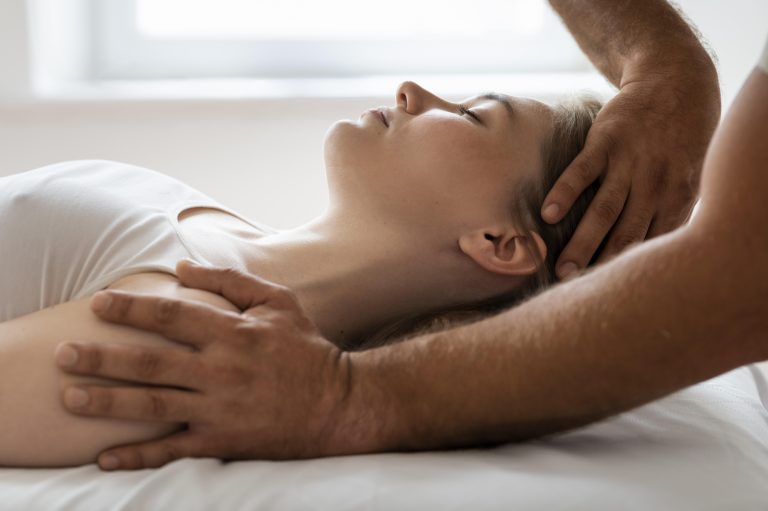
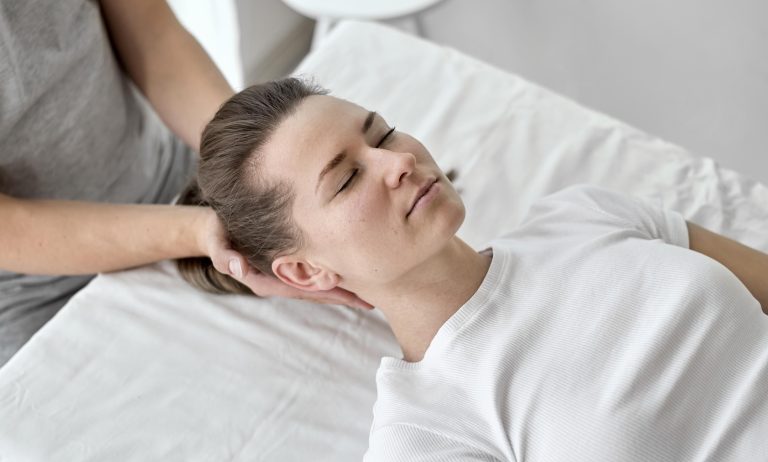
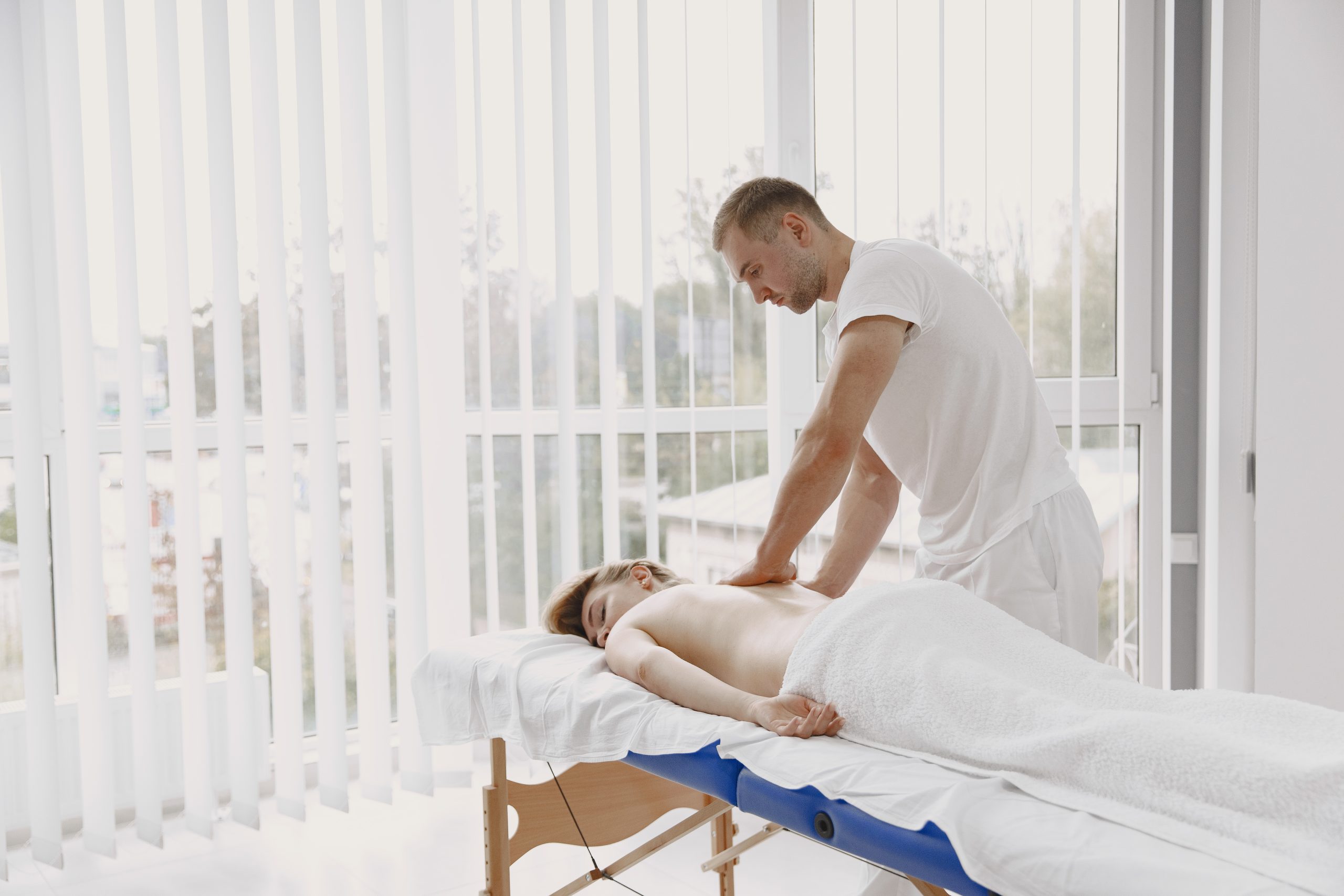
Therapeutic massage uses hands-on techniques to work with muscles and other soft tissues.
Depending on the technique and the patient’s goals, massage may be used to support:
- Relaxation
- Management of muscle tension
- Temporary reduction in musculoskeletal discomfort
- Mobility and movement
- Recovery after physical activity
- Management of certain back or neck symptoms
The appropriate massage technique depends on why you are seeking treatment.
Someone experiencing general muscle tension may need a different approach from someone with significant back pain or nerve-related symptoms.
How to Choose a Massage Therapist in Warren, MI
When comparing massage therapists, don’t choose based solely on location or price.
Consider several factors.
1. Check Licensing and Qualifications
Michigan regulates massage therapy, so verifying that a provider meets applicable professional requirements is an important first step.
You can also ask about additional education or experience relevant to your goals.
2. Ask About Experience With Your Symptoms
If you’re seeking massage because of pain rather than general relaxation, ask whether the therapist regularly works with people experiencing similar symptoms.
For example:
- Lower back pain
- Neck and shoulder tension
- Muscle tightness
- Sciatica-related discomfort
- Sports-related soreness
- Musculoskeletal injuries
A massage therapist should also recognize when symptoms may require evaluation by another healthcare professional.
3. Consider the Type of Massage
“Massage therapy” includes many different techniques.
The right approach depends on your symptoms, goals, and tolerance for pressure.
4. Look for Individualized Treatment
A therapeutic massage should not necessarily be identical at every visit.
Your therapist may adjust:
- Pressure
- Treatment areas
- Techniques
- Session goals
according to how you’re feeling and what you’re trying to accomplish.
5. Consider Access to Other Types of Care
If your symptoms involve more than muscle tension, it may be useful to choose a practice where additional musculoskeletal evaluation and treatment options are available.
This can be particularly relevant for persistent back, neck, or nerve-related symptoms.
Types of Massage Therapy
Different massage techniques can serve different purposes.
Here are several approaches patients may encounter.
Swedish Massage
Swedish massage generally uses lighter to moderate pressure and flowing techniques.
It may be appropriate for people primarily seeking:
- Relaxation
- General muscle comfort
- Reduced muscle tension
- A gentler massage experience
Deep Tissue Massage
Deep tissue massage typically uses more focused pressure to address deeper muscle and connective-tissue areas.
However, deeper pressure is not automatically better.
Excessive pressure can be uncomfortable and may aggravate certain symptoms.
If you’re deciding between these approaches, read Deep Tissue vs. Swedish Massage for Back Pain.
Trigger Point Techniques
Trigger point work focuses on localized areas of muscle sensitivity or tension.
Pressure should be adjusted according to individual tolerance rather than assuming treatment must be painful to be effective.
Myofascial Techniques
Myofascial approaches focus on muscles and surrounding connective tissues.
These techniques may be incorporated into a broader therapeutic massage session depending on the patient’s symptoms.
Massage Therapy for Back Pain
Back pain is one reason people search for therapeutic massage.
Massage may be helpful when muscular tension or soft-tissue discomfort contributes to symptoms.
However, not all back pain originates in the muscles.
Other possible causes can include:
- Disc conditions
- Joint-related problems
- Nerve irritation
- Sciatica
- Injury
- Other medical conditions
Massage should therefore not be viewed as a universal treatment for every type of back pain.
Read more about Massage Therapy for Back and Neck Pain.
Massage Therapy for Neck and Shoulder Pain
Muscle tension around the neck, upper back, and shoulders can sometimes respond well to appropriately selected massage techniques.
But symptoms extending from the neck into an arm deserve additional attention, particularly when accompanied by:
- Numbness
- Tingling
- Weakness
- Loss of coordination
These symptoms may indicate neurological involvement rather than ordinary muscle tension.
Can Massage Help Sciatica?
It depends on what is causing the symptoms.
Sciatica typically involves irritation or compression affecting nerve roots associated with the sciatic nerve.
Massage cannot directly repair a herniated disc or remove every source of nerve compression.
However, massage may help some patients manage associated muscle tension or discomfort.
The appropriate technique also matters.
See our detailed guide to the Best Types of Massage for Sciatica Relief.
You can also learn more about Sciatica Treatment.
Can Massage Help a Herniated Disc?
Massage does not “push” a herniated disc back into place.
However, some people with disc-related conditions also experience muscular tension and discomfort that may be addressed separately.
When neurological symptoms are present, the underlying condition should be evaluated rather than relying exclusively on massage.
Read more about Living With a Herniated Disc.
Massage Therapy for Fibromyalgia
People with fibromyalgia may experience widespread pain and increased sensitivity to touch.
Some may find appropriately adjusted massage helpful for comfort or relaxation.
Others may be particularly sensitive to pressure.
Therefore, massage intensity should be individualized.
More pressure does not necessarily produce a better result.
Learn more about Fibromyalgia Treatment and Pain Management.
Massage After an Injury
Massage may sometimes be incorporated into care after a musculoskeletal injury, depending on:
- Type of injury
- Stage of recovery
- Symptoms
- Medical findings
- Individual tolerance
Massage should not automatically be performed over an acutely injured area without determining whether it is appropriate.
Significant trauma, severe pain, substantial swelling, neurological symptoms, or suspected fracture should receive appropriate medical evaluation.
Massage After a Car Accident
Car accidents can cause a variety of injuries, so massage should not automatically be the first treatment after a collision.
Symptoms such as neck or back pain may result from muscular injury, but accidents can also cause conditions requiring medical assessment.
Once serious injury has been excluded and massage is considered appropriate, it may sometimes be incorporated into a broader rehabilitation plan.
Massage Therapy vs. Chiropractic Care
Massage and chiropractic care are not interchangeable.
Massage primarily works with muscles and other soft tissues.
Chiropractic care may be considered for selected musculoskeletal complaints after appropriate evaluation.
Which approach is appropriate depends on the condition being treated.
In some situations, different conservative treatments may be incorporated into the same overall care plan.
Massage Therapy vs. Physical Therapy
Physical rehabilitation typically emphasizes:
- Exercise
- Strength
- Mobility
- Movement
- Functional recovery
Massage is primarily a hands-on soft-tissue treatment.
For patients recovering from certain musculoskeletal problems, massage may complement rehabilitation, but it should not replace necessary strengthening or functional rehabilitation.
What Happens During Your First Massage Therapy Appointment?
Your first visit should begin with a discussion of your symptoms and goals.
Be prepared to explain:
- Where you have discomfort
- How long you’ve had symptoms
- What makes symptoms better or worse
- Previous injuries
- Relevant medical conditions
- Whether you experience numbness or tingling
- Whether you have weakness
- What you hope to achieve from massage
The therapist can then determine whether massage is appropriate and which techniques and pressure levels may be suitable.
Does Therapeutic Massage Have to Hurt to Work?
No.
A therapeutic massage does not need to be extremely painful to be effective.
Pressure should remain appropriate for the treatment goal and your tolerance.
Tell your therapist if you experience:
- Sharp pain
- Electric sensations
- Increasing numbness
- Increasing tingling
- Significant radiating symptoms
The therapist can modify or stop the technique when necessary.
How Often Should You Get a Massage?
There is no universal schedule.
Frequency depends on factors such as:
- Reason for treatment
- Symptoms
- Response to massage
- Other treatments
- Personal goals
- Budget
Rather than automatically booking massage indefinitely, it can be useful to periodically evaluate whether it is helping you achieve your goals.
How Do You Know if Massage Therapy Is Helping?
Progress does not have to mean complete elimination of pain.
Useful measures might include:
- Reduced muscle tension
- Easier movement
- Improved tolerance for normal activities
- Less frequent discomfort
- Better ability to exercise
- Improved comfort during work or daily activities
If symptoms are worsening or not responding as expected, reassessment may be appropriate.
When Should You See a Doctor Instead of Getting a Massage?
Massage should not be used to delay evaluation of potentially serious symptoms.
Seek prompt medical care for symptoms such as:
- Significant or progressive weakness
- Persistent numbness
- Difficulty walking
- Severe symptoms after significant trauma
- Fever accompanied by severe unexplained back pain
Seek urgent medical attention for:
- New bowel or bladder dysfunction
- Saddle-area numbness
- Rapidly progressive neurological weakness
These symptoms require medical assessment rather than a massage appointment.
Frequently Asked Questions
Where can I find massage therapy in Warren, MI?
Spinal Recovery and Joint Center provides massage therapy and other musculoskeletal services at 2243 East 12 Mile Road, Warren, MI 48092.
How do I choose a massage therapist?
Look at professional qualifications, experience with your symptoms, treatment approach, communication, and whether the therapist appropriately recognizes symptoms that need medical evaluation.
What type of massage is best for back pain?
There is no single best technique. Swedish, deep tissue, trigger point, and other approaches may be considered depending on the cause of symptoms and individual tolerance.
Is deep tissue massage better for pain?
Not necessarily. More pressure does not automatically produce better results. The appropriate technique depends on the individual and the problem being treated.
Can massage help sciatica?
Massage may help associated muscle tension or discomfort in some people, but it does not remove every cause of sciatic nerve irritation.
Can massage help neck pain?
Massage may help when muscular tension contributes to neck discomfort. Neurological symptoms such as weakness or persistent numbness should receive appropriate evaluation.
Can I get massage therapy if I have a herniated disc?
Possibly, depending on your symptoms and medical situation. Massage does not repair the disc itself, and neurological symptoms may require additional evaluation.
Can massage therapy be combined with other treatments?
Depending on the condition, massage may sometimes be incorporated alongside rehabilitation or other conservative musculoskeletal treatments.
Can I book massage without chiropractic treatment?
Whether massage can be scheduled independently should be confirmed directly with the clinic when booking, as services and scheduling policies can change.
Does insurance cover massage therapy?
Coverage varies substantially by insurance plan and reason for treatment. Contact your insurer and the clinic to verify current benefits rather than assuming massage is covered.
Massage Therapy in Warren, Michigan
If you’re looking for a massage therapist in Warren, MI, choosing the right provider involves more than finding the nearest massage location.
The technique should match your symptoms, pressure should be individualized, and persistent back, neck, or nerve-related symptoms should be properly evaluated.
Spinal Recovery and Joint Center provides massage therapy as part of its musculoskeletal services in Warren, Michigan, conveniently located for patients from surrounding communities such as Sterling Heights, Madison Heights, Roseville, Eastpointe, and nearby areas.
Spinal Recovery and Joint Center
2243 East 12 Mile Road
Warren, MI 48092
Phone: (586) 573-8100
Explore our services or request an appointment.